May 3 — World Press Freedom Day

Press freedom is not a formality; it is a fundamental right that gives society access to the truth. In Ukraine, which has been living in a state of war for 11 years, this right takes on exceptional significance.
The daily work of Ukrainian journalists is not just about news. It’s about facts, evidence, eyewitness voices. It’s about exposing crimes, preserving memory, and ensuring transparency. In a war where information becomes a weapon, journalism is part of the resistance.
But these efforts face serious challenges every day. Ukrainian media have endured numerous attacks by Russian forces and affiliated hacker groups. These attacks have included both physical shelling of editorial offices and cyberattacks. Examples include damage to offices in Kyiv, shelling of newsrooms in Kharkiv, Sumy, and Zaporizhzhia, and injuries to journalists during such attacks.
The financial situation is also critical. Cuts in U.S. funding — including the freezing of USAID programs — have put the survival of over 50% of independent Ukrainian media at risk, especially regional and investigative initiatives. This creates a vacuum that can easily be filled with pro-Russian disinformation.
The psychological pressure on journalists is enormous. Constant work under threat, witnessing tragedies, losing colleagues — all of this leads to emotional burnout, anxiety, and depression. Journalists who face traumatic events daily are especially vulnerable to such consequences.
A study conducted as part of the Mental Resilience Development program by the organization Daily Humanity aimed to deeply understand the mental health and well-being challenges faced by media workers. When asked, “Have you ever experienced burnout at work?” — 85% of respondents answered “yes,” while only 15% said they had not. These findings underscore the urgent need for mental health support programs for media professionals.
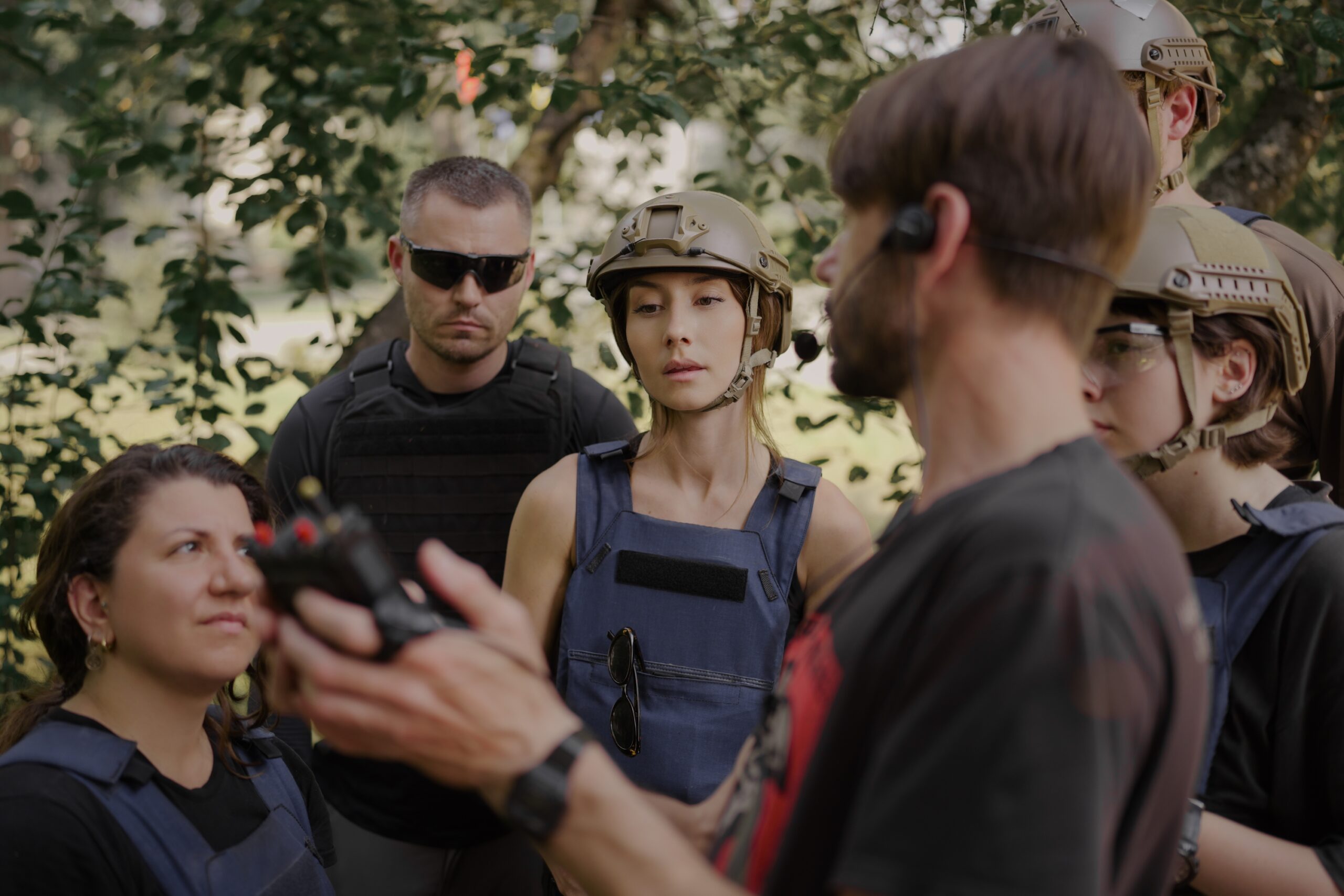
In these difficult times, it is crucial to support journalists, help them adapt to new working conditions, and ensure proper safety and psychological support. We understand this challenge and continue to support Ukrainian journalists by offering training programs on safety and mental health. Our training helps maintain professionalism in challenging environments and strengthens team resilience.
Press freedom is not only a right — it is daily work that carries meaning. Through all these years, you have continued to speak the truth despite the danger and hardships. And we stand with you, working together for your safety, well-being, and professionalism.
more News