Report 2025

In 2025, physical, psychological, and digital risks for media and civil society professionals increased sharply. Journalists, humanitarian workers, leaders, and communications teams working in high-risk environments faced more pressure and faster-moving threats this year than in previous years globally.
At Daily Humanity Foundation, our mission is simple and demanding: to keep people and organizations safe, resilient and operational in high-risk environments, helping them with practical solutions.
This year, we focused on what matters most: skills that save lives, reduce harm, and strengthen long-term resilience.
The Challenges We Addressed

1. Working Under Physical Threat
From frontline reporting to humanitarian logistics, physical risks remain the most pressuring. With the rise of drone warfare, more and more frontline workers are getting injured and killed.
How we addressed that challenge
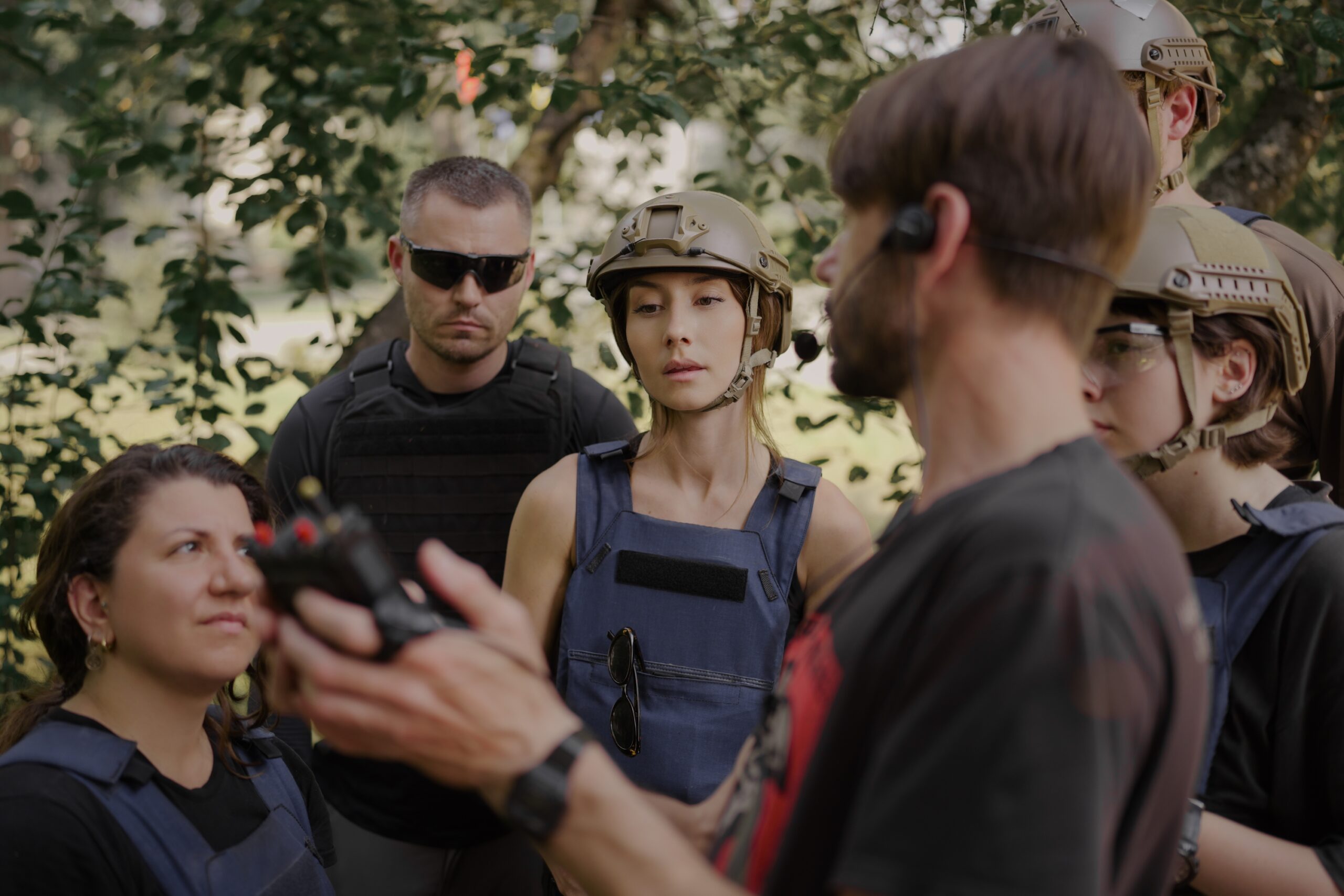
437 participants completed first aid and HEFAT trainings, hands-on risk assessment and mitigation workshops and consultations. We designed a specific drone-related safety course, the first tailored to the work of journalists and humanitarian workers in Ukraine.
Why it matters
Preparedness reduces panic, improves reaction time, and directly saves lives. There should be more tailored, specific and needs-oriented training for high-risk environments.

2. Stress, Mental Health, Online Attacks
High-pressure environments do not only threaten bodies — they exhaust minds. As Daily Humanity’s 2025 study on mental health of media workers in Ukraine during the full-scale war showed, almost 90% of journalists experience constant stress and burn-out – a workplace hazzard that hasn’t been addressed on systemic level anywhere globally – yet. It needs to change.
How we addressed that challenge
261 professionals gained access to training in Psychological First Aid, stress-regulation techniques, and practical guidance on responding to online harassment and coordinated digital attacks. Participants learned how to recognize early signs of burnout, stabilize themselves and others, and maintain decision-making capacity under high pressure.
Why it matters
Unmanaged stress leads to errors, withdrawal, and long-term trauma — all of which weaken teams and missions.

3. Technology as a Safety Multiplier
The rising risks are globally shaped by information overload, disinformation, and fast-moving geopolitical shifts.
This year, we launched Maira Labs to address one of the most pressing global problems – disruptions driven by warzone risks, regulatory shifts, supply chain sabotage, misinformation campaigns and cultural misunderstandings.
With Maira early product
- we won DDI Hackathon
- received support from Microsoft for Startups
- became members of the NVIDIA Inception program, to name a few achivements
- we closed the first cohort of early adopters and will be launching Beta product in Q1 2026
We also launched Daily Humanity Dispatch, through which we provided curated, expert-driven analysis of global developments, including peace negotiations, strategic risks, and emerging threats. If you haven’t subscribed yet, it’s the right time to do so.
Why it matters
Situational awareness is a core safety skill. Without proper communication humanity cannot survive.
Lessons learned
- Safety knowledge and risk management skills reduce physical injury, psychological harm, and operational failures.
- Trained professionals are better prepared for unpredictable, high-stress situations.
- Mental resilience and risk literacy enable calm, effective action even in extreme setting.
- Journalists and civil society actors who act responsibly under pressure reinforce trust in their professions.
- Trained individuals carry this knowledge back into their newsrooms, organizations, and networks, multiplying impact.
Help Us Do More
Demand for safety expertise is growing, but resources remain limited. You can make a difference: by supporting Daily Humanity Foundation, you invest directly in resilience, preparedness, and saving human lives.
👉 Support our work: become a safety backer for fromtline journalists.
To our partners, trainers, donors, and participants: thank you for trusting us in some of the most difficult conditions imaginable. Your commitment turns knowledge into protection — and risk into readiness.
Have a safe and sane new year!
more News